

New Year's Spell | Zemo Kartli, 1936.
30.12.2025 | 3 Min to readAbramiani’s Candle – Upper Kartli, 1936
Preparations
We had to bake as many Bedis Kveri (Fate-cakes) as there were souls in the house. If one fell [while baking], it was an omen of sorrow – "Woe to me, my child, you will either fall ill or something will happen to you..." Then we would bake Basila (St. Basil's bread). We shaped it like a man – with hands, a head, and feet... We would even gird it with a belt and a dagger. We’d place the clay pan in the oven and use raisins for eyes, just like a real person. Once taken out, we would arrange all those fate-cakes on a sieve.
One O'clock in the Morning
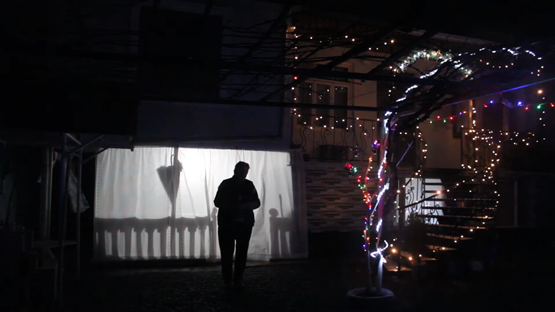
In the night, we would set out a boiled hog’s head... We’d make Gozinaki, and place Churchkhelas and the candle on top. At one in the morning, the Mekvle (the First-footer) would bring in the Abramiani [ritual bread/offering] and branches with leaves. He wouldn’t blow on the fire with his breath; he would fan it with the hem of his cloak, saying, "I shall swell with abundance!" Then he would take the candle of the Abramiani and bless the oven, then the hayloft – so there would be more Baraka (plenty) and wealth for the livestock.
Ritual and Blessing
As he stepped onto the floor, he would say:
"I have set my foot, may God’s grace be upon you; my foot is the trace of an angel."
Then he would go around the house holding a Churchkhela and bless us all to "grow old in our beds" [a wish for a long life]. Then he would light the fire; those leaves would burn, and as the sparks flew, he’d say:
"This many sheep, this many cows, this many people..."
The more he poked the embers, the more sparks would fly up.
The End
When he finished, he would fry eggs and meat. Then we would wake up, drink some wine, and go back to sleep.
Text by Pelagia Lasurashvili, Ephemia Galashvili, and Bigha Dediashvili. Upper Kartli, 1936.
We Recommend
Spell | Mariam Natroshvili
13.06.2020